-
Product No.Product Name
Description
-
 7667Non-Adherent Island Dressing, 4 x 10, Sterile 1s in Peel Back Package, 25/tray, 4 tray/cs (Continental US Only)
 -
-
 84566Hydrocell Foam Dressing is non-adhesive, and has an outer film layer providing a barrier to external contaminants. These dressings can absorb a large amount of fluid.
 -
 66020400Sticks and remains in place, even on difficult-to-dress areas of the body. It may absorb up to four times more exudate than hydrocolloids and is ideal for moderately to heavily exuding wounds.
 -
 3354CRecognized leader in the field. Ideal for general taping needs and outpatient use.
 -
 7317--USP Type VII gauze. Unique dual-colored element combines blue radiopaque strand with white strand which is visible when sponge is saturated with blood.
 -
 90648Soft, conformable and comfortable to wear. Innovative fluid handling technology provides high absorbency with breathability to reduce the risk of maceration.
 -
 6613CAdhesive tape with linear porosity for maximum breathability. Designed to provide high tensile strength and aggressive adhesion.
 -
 1073A wound edge protector that separates edges of the incision from contact with visceral contents, instruments and gloves during the procedure, while allowing for visualization of the wound edges. Four adhesive patches.
 -
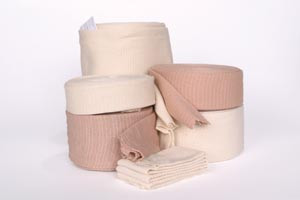 1523Provides lasting, effective support with complete freedom of movement for the patient. Once the bandage has been applied, covered elastic threads within the fabric move to adjust to the contours of the body and distribute pressure evenly over the sur
 -
 7900TLC-TNTwo Layer Stretch Kit Compression System, Standard, Patients with ABI = 0.8, 4 x 4.
 -
 7902TLC-TNTwo Layer Stretch Kit Compression System, Lite, Patients with ABI = 0.5, 4 x 4.

Customer Service: 732-447-1100